Siberia is a vast geographical region inhabited by peoples speaking many unrelated languages. Sakha, Evenki, Chukchi, Nenets, Buryat, and other traditions have distinct histories. “Siberian mythology” is therefore a comparative category, not a single religion with one creator, one shamanic ritual, or one map of the universe.
_03.jpg)
Ritual Specialists and Helping Beings
The word “shaman” entered wider usage through a Tungusic-language context. It now serves as a comparative term for specialists whose work may involve healing, divination, and relationships with nonhuman powers. Local names and responsibilities remain important.
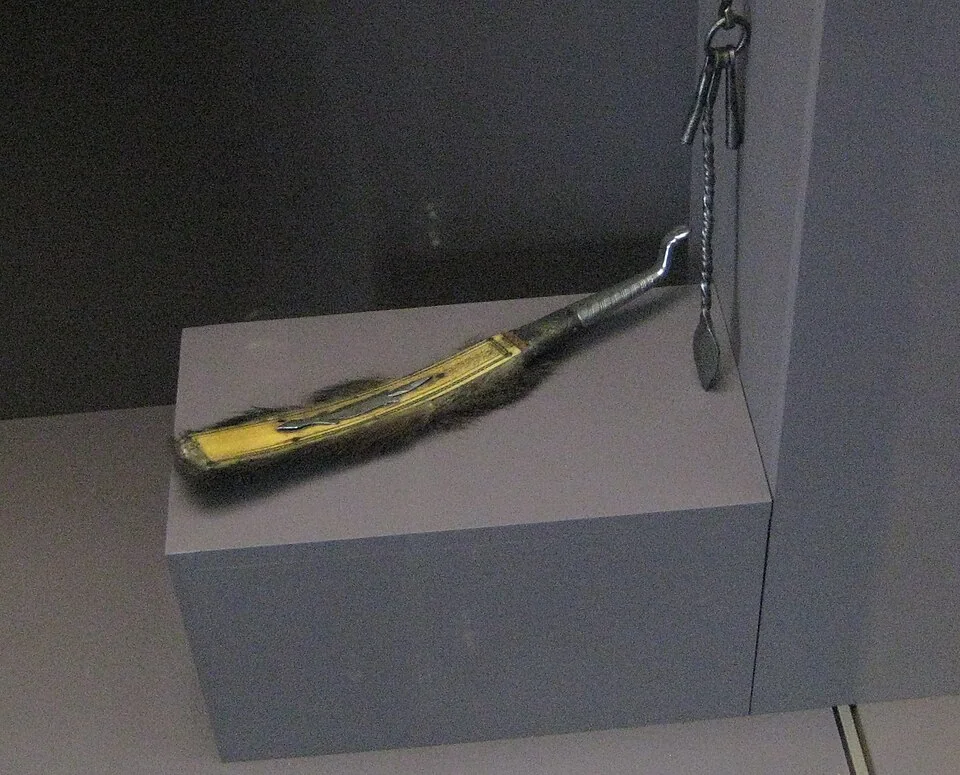
Drums, clothing, and pendants can embody relationships with helping beings. They are not simply costumes chosen to look extraordinary. The Russian Museum of Ethnography's account describes how different peoples acquired and used these belongings in distinct ways. Among some groups, relatives helped make a specialist's equipment, making the role a social undertaking as well as an individual calling. Russian Museum of Ethnography, Siberian shamanism.
Worlds, Travel, and Healing
Many recorded traditions distinguish different cosmic domains and describe movement between them. A drum can be understood as a means of travel, while a tree or vertical structure may connect realms. The number, inhabitants, and arrangement of worlds vary.
Healing accounts sometimes explain illness as intrusion by a harmful power or the loss of a vital component of the person. Ritual action may expel, recover, negotiate, or substitute. Museum descriptions document different combinations of song, movement, images, and the imitation of helping beings' voices rather than one standardized procedure. Russian Museum of Ethnography, healing rituals.
Evenki Relationships with Spirits
Evenki traditions connect people with animals, hunting places, ancestors, and objects carrying the effects of earlier lives. Ethnographic research on buhadyl examines spirits associated with old belongings and the dead, including within Soviet social settings.
This evidence challenges the idea that religious practice exists only in a timeless past outside political history. People can relate to spirits while also participating in modern institutions and remembering the disruptions those institutions caused. Nikolai Ssorin-Chaikov, Evenki shamanistic practices. See also Evenki traditions.
Sakha Epic and Seasonal Renewal
Sakha traditions distinguish beneficent aiyy, dangerous abaahy, and spirit owners called ichchi. The Olonkho epic tradition places heroes within a world of cosmic conflict, travel, and the establishment of human life.
Yhyakh gatherings involve blessing, seasonal abundance, music, dance, and relationships with divine powers. Their contemporary meanings include both religion and cultural identity. These specifically Sakha terms should not be used as universal names for spirits throughout Siberia. See Sakha beliefs and UNESCO's Olonkho description.
Bears, Reindeer, and Regional Difference
Animals may be food, relatives, messengers, protectors, or owners of capacities humans seek. Bear ceremonies among Nivkh communities involve a distinct history of raising and returning a bear to the mountain world. They are related through contact to neighbouring practices without being identical to them. See Nivkh beliefs.
Reindeer likewise occupy different positions among pastoralists, hunters, and transport users. Nenets, Chukchi, and Evenki livelihoods and ceremonies cannot be inferred from the animal's presence alone. A shared species does not imply a shared ritual system.
Buddhism, Christianity, and State Intervention
Buryat religious history includes Tibetan Buddhism alongside local spirit relationships, while Russian Orthodox missionization affected many other communities. Soviet restrictions suppressed some forms of public practice and altered how knowledge could be taught.
Contemporary religious revival includes rebuilding institutions, recovering language, and interpreting museum belongings. Researchers and participants may disagree over what counts as religion, culture, or performance. Respecting those distinctions requires naming the community and the source instead of treating “Siberian shamanism” as a ready-made spiritual technique available without context.