Shona is a broad designation for related peoples and languages of Zimbabwe and neighbouring areas. Religious practice differs among communities and has changed through interaction with Christianity, colonial rule, urban life, and regional traditions. The categories of spirits are especially important: ancestors, territorial powers, and spirits associated with particular abilities are not interchangeable gods.

Mwari and the Welfare of the World
Mwari is a name for supreme divine power. Religious traditions associated with Mwari concern rain, fertility, moral order, and the welfare of communities. The Mwari shrine complex of the Matobo region has served peoples beyond those usually labelled Shona, including Kalanga and other communities.
The relationship between Mwari and other spiritual authorities should not be reduced to a rigid hierarchy copied from a foreign theological system. Particular shrines, mediums, and regions have their own histories of addressing collective needs. UNESCO, African cultural heritage and sacred landscapes.
Vadzimu: Family Ancestors
Vadzimu, singular mudzimu, are ancestral spirits related to living descendants. Their importance depends on kinship and the continuing responsibilities that kinship creates. They may protect, advise, or express dissatisfaction when obligations are neglected.
Not every dead person necessarily occupies the same ancestral status. Social relationships and ritual recognition matter. Ceremonies associated with bringing a spirit into the ancestral community concern the reorganization of relations after death, rather than merely declaring that biological life has ended.
Mhondoro and Territorial Authority
Mhondoro spirits are associated with chiefly ancestry, territory, and collective welfare. The word's relationship with the lion expresses power, but these spirits are not simply wild animals worshipped as gods.
Mediums can speak for a territorial spirit and address matters involving land, rain, or political authority. Such roles have also entered wider histories of resistance and state formation. The importance of a named medium or spirit depends on its particular lineage and territory. University of Zimbabwe research on Shona ritual and spirits.
Shave and Ngozi
Shave spirits are often described as outside or non-ancestral spirits that may bring particular abilities, such as performance or healing. Their relationships with a person differ from those of a family ancestor. Translation as “foreign spirit” concerns the absence of the relevant kinship relationship, not necessarily a modern nationality.
Ngozi is associated with avenging the wrongfully injured or killed. The concept connects misfortune with an unresolved moral relationship. Repair may require acknowledgment and compensation rather than the assumption that ritual can erase responsibility without addressing the wrong.
These categories vary in use across Shona-speaking and neighbouring communities. Comparative research in the Nyungwe–Shona border region demonstrates why vocabulary and local history matter. SOAS, research on religious change.
Mbira, Song, and Bira
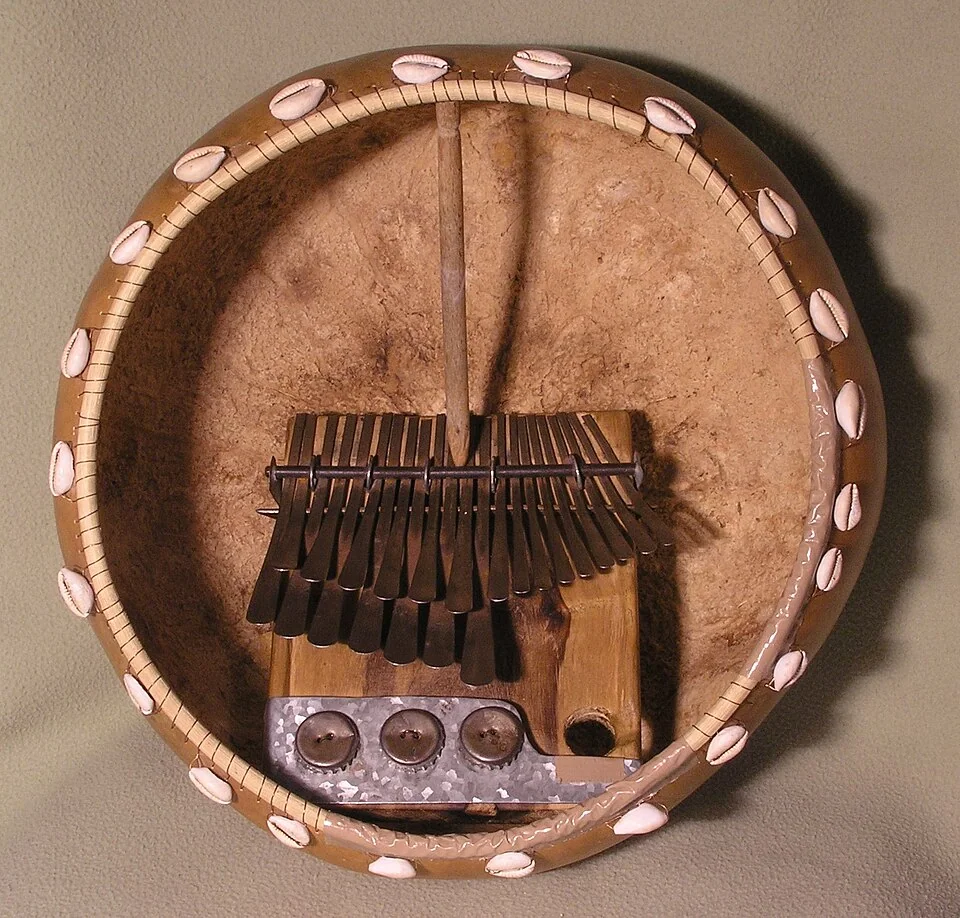
In ceremonies commonly called bira, music, singing, dancing, and communal participation can establish conditions for communication with ancestral spirits. The mbira's interlocking patterns support a sustained event rather than functioning merely as background accompaniment.
Possession is interpreted within a community's relationships with recognized spirits. Participants listen, respond, and assess what is communicated. The religious significance of a ceremony cannot be inferred from a recording of an instrument alone.
UNESCO's account of mbira and related instruments emphasizes transmission, craftsmanship, and social functions across Zimbabwe and Malawi. Not every mbira performance is a possession ceremony, and the instruments are played by communities beyond the Shona. UNESCO, crafting and playing Mbira/Sansi.
Sacred Places and Historical Memory
Trees, caves, burial places, and ruins can carry religious authority through remembered people and events. At Mavhuradonha, documented sites include places connected with Nyatsimba Mutota and locations where communities perform libations and other rites. Their significance joins landscape with political and ancestral history. UNESCO, Mavhuradonha heritage description.
Christian affiliation and ancestral obligations have developed different relationships among families. Some reject spirit practices, others reinterpret them, and others maintain participation alongside church life. Contemporary Shona religious experience is therefore broader than either an exclusively ancestral or an exclusively Christian description.