The Gond people are one of the largest tribal groups in India. Primarily residing in central India's states such as Madhya Pradesh, Maharashtra, Chhattisgarh, Telangana, and Odisha, they have developed a distinct mythology and belief system.
Deities and Mythological Figures
The Gond pantheon includes gods and goddesses who govern different aspects of daily life. Some of the primary deities in Gond mythology include:
-
Bara Deva (Supreme God): Bara Deva, also known as Persa Pen or Persipen, is the supreme god in Gond mythology, responsible for the creation of the world and governing the universe. He is often considered an omnipotent, omniscient, and omnipresent deity.
-
Bhimsen: Bhimsen is a popular deity among the Gond people, often considered a divine hero who protects the community. Bhimsen is thought to be a human who achieved divinity due to his great strength and wisdom.
-
Kupar Lingo: Kupar Lingo, also known as Lingo Pen, is considered the god of agriculture and fertility. He is believed to have introduced farming, animal husbandry, and other essential aspects of civilized life to the Gond people. His heroics are recounted in the Gond epic called "Lingo Kuda."
-
Danteshwari: As the goddess of the forest and protector of the Gond people, Danteshwari is revered for her divine powers that ensure the well-being and prosperity of the community.
-
Kesharpal: Kesharpal is the guardian deity of the Gond people, often invoked for protection against evil spirits and negative energies.
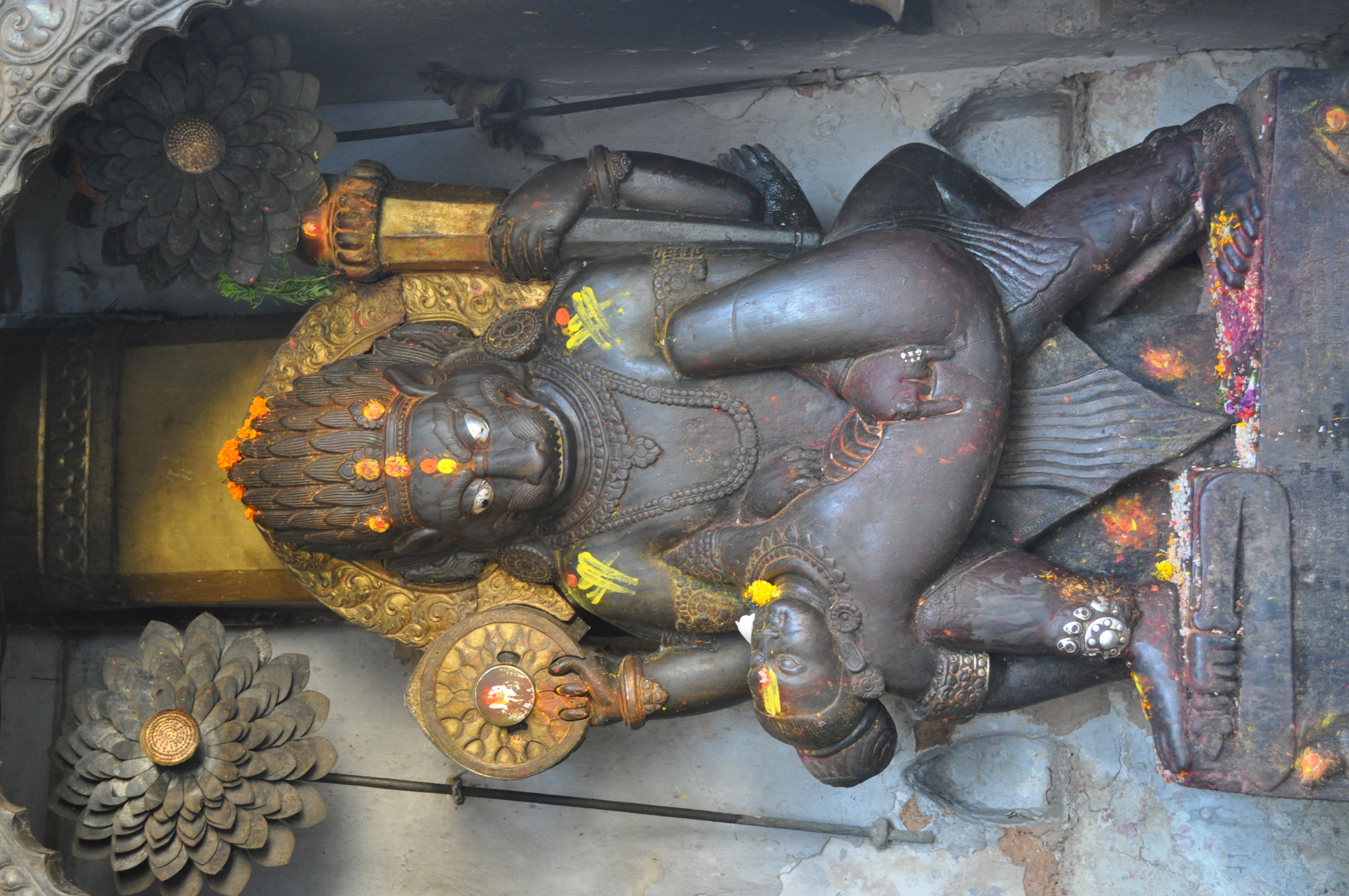
Mythological Figures
The Gond mythology features various creatures and heroes with distinctive characteristics and abilities:
- Narasingh: Narasingh (Narasimha) is the man-lion avatar of the Hindu god Vishnu, known to the Gonds through Hinduism; the Gondi kingdoms of medieval times worshipped Vishnu as their patron deity.
Other Beliefs and Rituals
Gond culture includes a belief in ancestor worship. The Gond people revere ancestral deities, known as Angadevs, as guardian spirits who protect the family and ensure prosperity.
Another significant ritual in Gond culture is the Karma dance. This traditional dance is performed during the Karma festival to celebrate the harvest season and invoke the blessings of the gods for a successful crop yield. The dance is characterized by rhythmic movements, and participants wear colorful attire and traditional jewelry.