The Bajau people, also known as the Sea Gypsies or Sea Nomads, are an indigenous group found primarily in the coastal areas of Southeast Asia, including the Philippines, Malaysia, and Indonesia. Known for their marine-based lifestyle and diving abilities, the Bajau people have beliefs, mythology, and rituals tied to the sea.

Beliefs and Mythology
The Bajau people's beliefs encompass a diverse range of influences, incorporating elements of Islam, indigenous animistic beliefs, and mythology. They believe in a supreme being, known as Tuhan or Dewata, as well as a plethora of spirits that inhabit the sea, land, and sky. The Bajau's connection to the ocean appears in their mythology, with many of their deities and spirits tied to various aspects of the marine environment.
Omboh Dilaut: The Sea Deity
Omboh Dilaut, also known as the Sea God or Raja Laut, is a prominent deity in Bajau mythology. Omboh Dilaut is considered the ruler of the sea and its creatures, often depicted as a wise and benevolent figure who guides and protects fishermen and sailors. Stories about Omboh Dilaut emphasize the importance of respecting the sea and its resources, reflecting the Bajau's dependence on marine life for their survival.
Other Beliefs and Rituals
The Boat-Dwelling Bajau
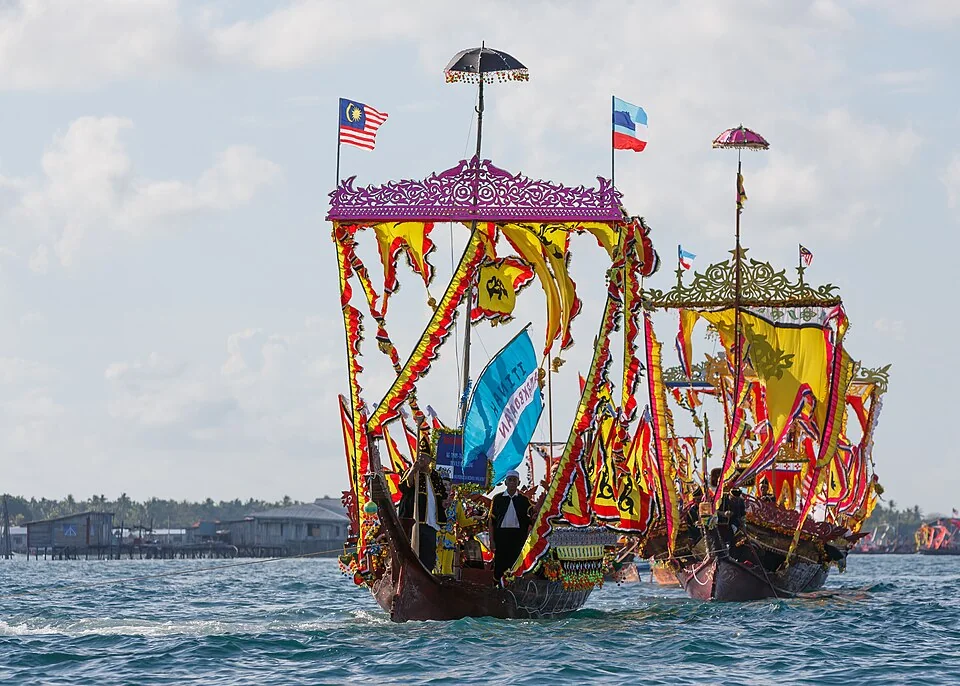
One of the most noteworthy aspects of the Bajau culture is the boat-dwelling lifestyle of some of its members. The boat-dwelling Bajau, known as Bajau Laut, traditionally lived their entire lives on the sea, residing in houseboats called lepa-lepa; in the Philippines almost all have now moved to live on land. The Bajau Laut live this way of life as part of their beliefs, considering the sea as a sacred space that provides them with sustenance and protection.
The Pagkanduli Ritual
The Pagkanduli (literally "festive gathering") is an annual ceremony of the boat-dwelling Sama Dilaut (Bajau Laut) in the Philippines. It involves ritual dancing to Umboh Tuhan, Dayang Dayang Mangilai and ancestral spirits called bansa, and is a joyful event of singing, dancing and joking.
The Sampayan Pangigalan Ceremony
The Sampayan Pangigalan is a Bajau ceremony that involves the construction of a bamboo pole, adorned with colorful flags, and planted on the seafloor. This ritual is carried out to mark the boundaries of their fishing grounds and to seek protection from the sea spirits. The Sampayan Pangigalan ceremony signifies the Bajau people's respect for the sea and its resources, as well as their belief in the power of the spirits to protect and provide.
The Padewanan Ritual
The Padewanan is a healing ritual practiced by the Bajau people to cure ailments and ward off malevolent spirits. The ritual is led by a traditional healer known as a dukun, who uses a combination of prayers, incantations, and herbal remedies to heal the afflicted. The Padewanan ritual highlights the Bajau's belief in the power of the spirit world to influence their physical well-being and the importance of maintaining harmony with the spiritual realm.